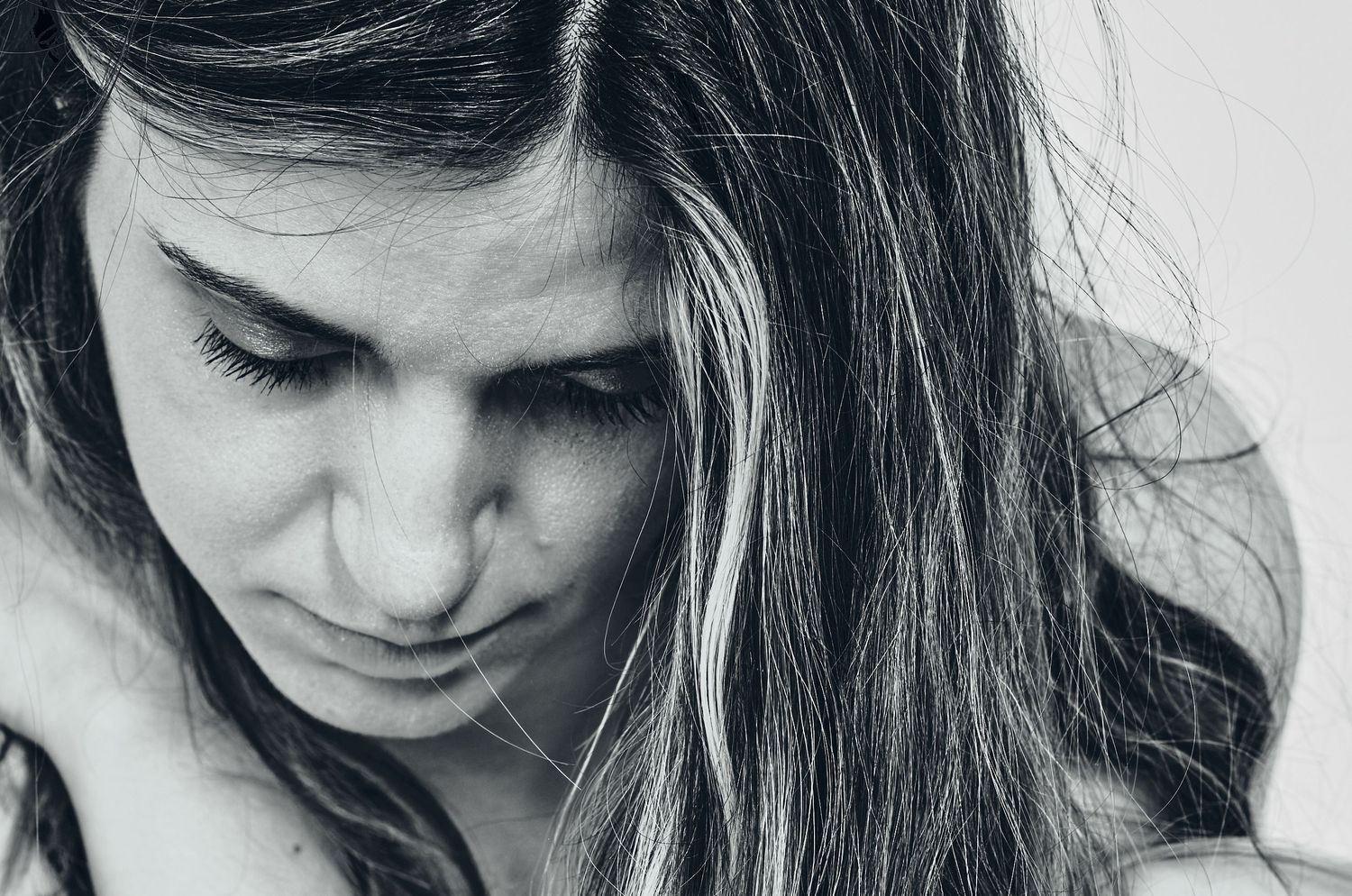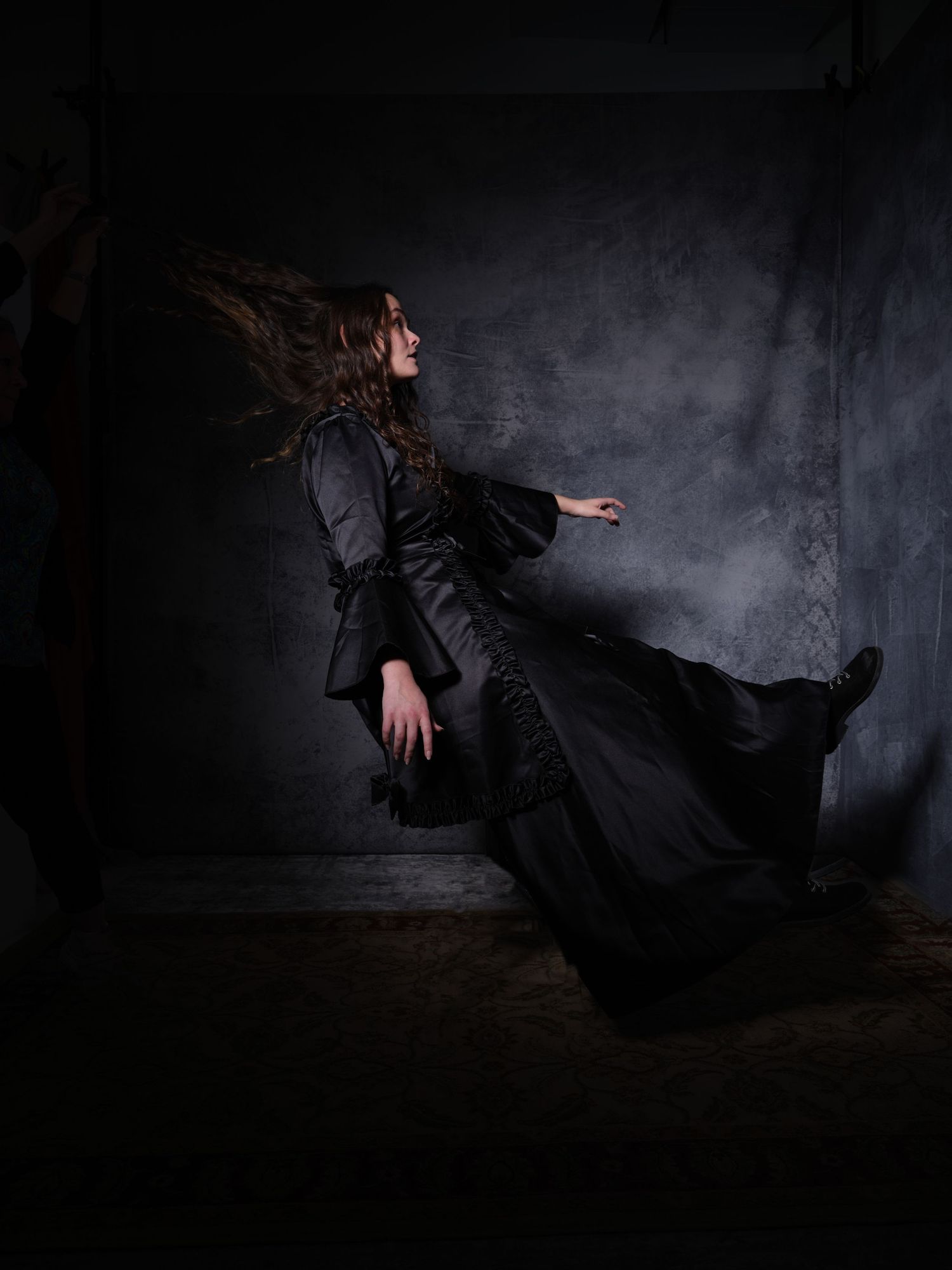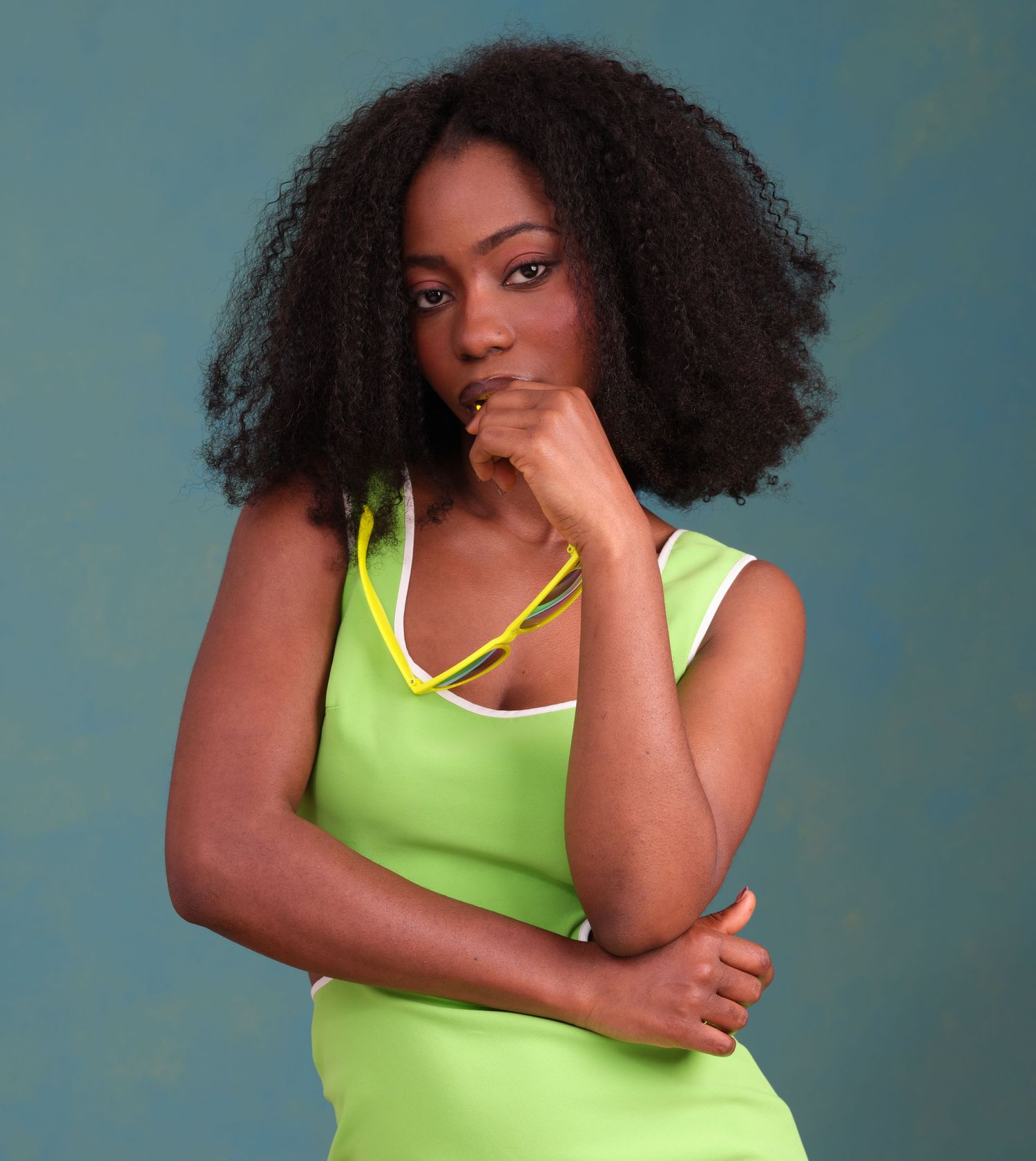
Some portrait sessions begin with a specific visual idea. Others begin with a conversation.
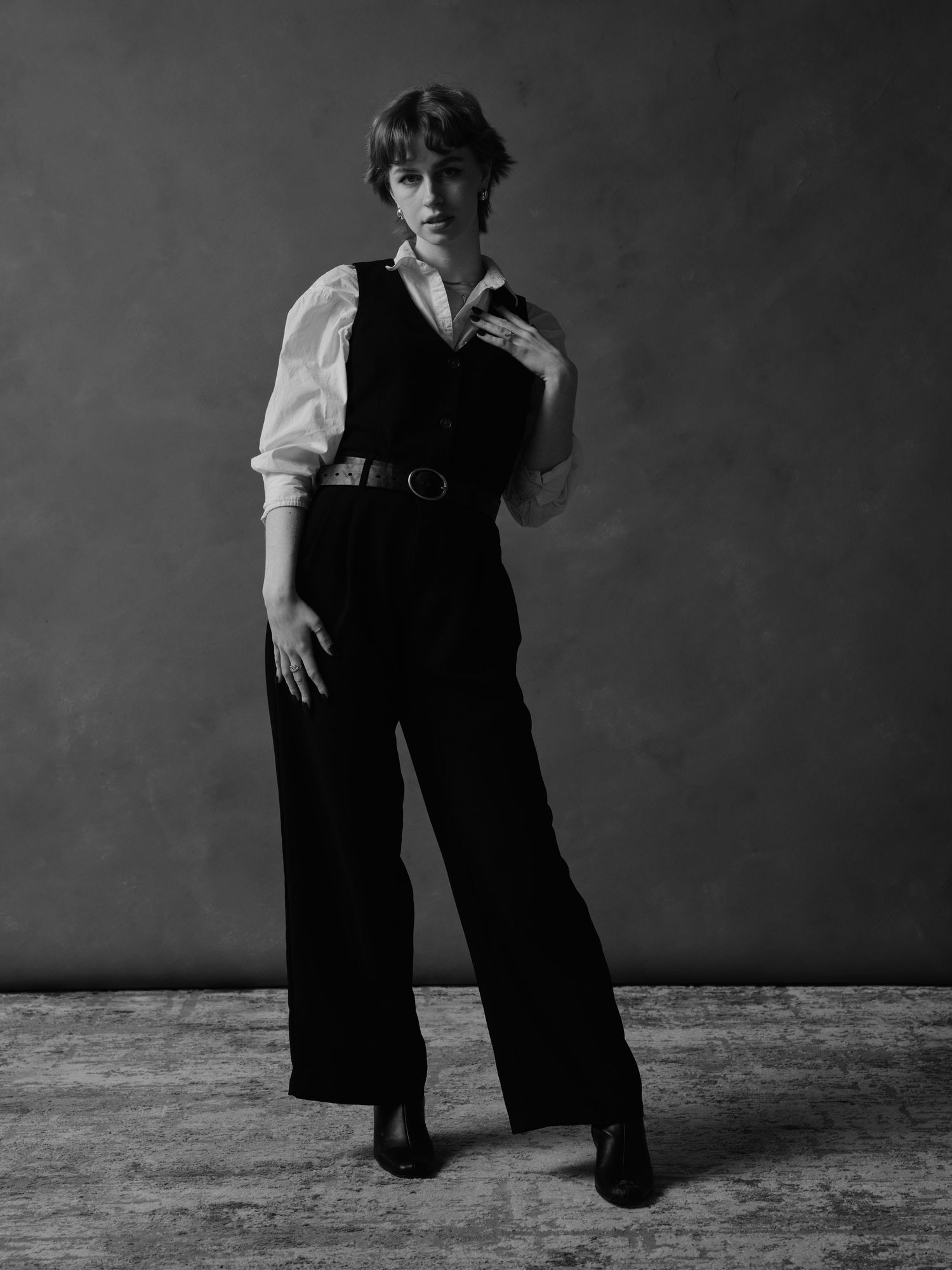
This session with Abigail started with a simple concept: exploring the idea that clothing itself has no gender.
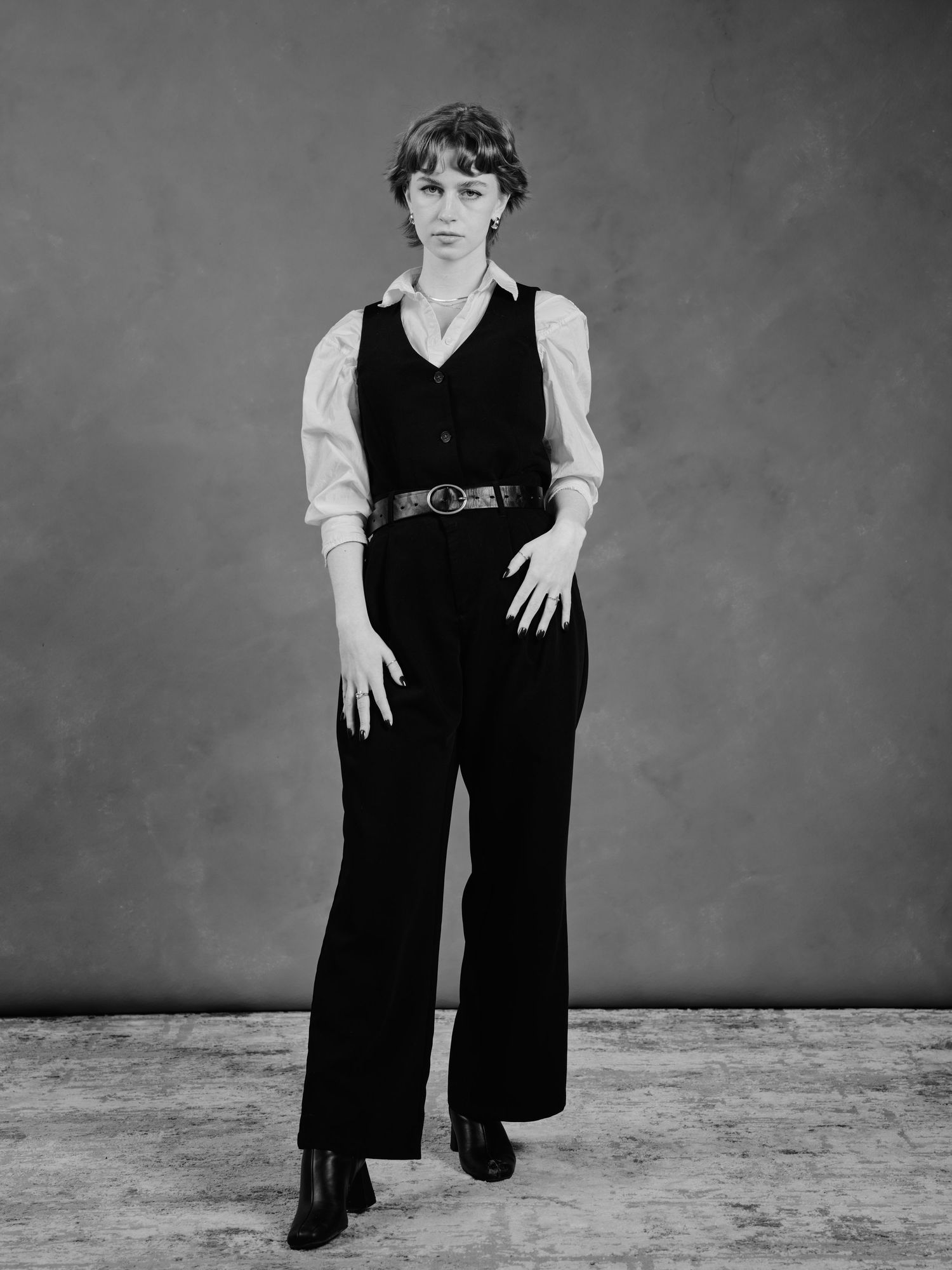
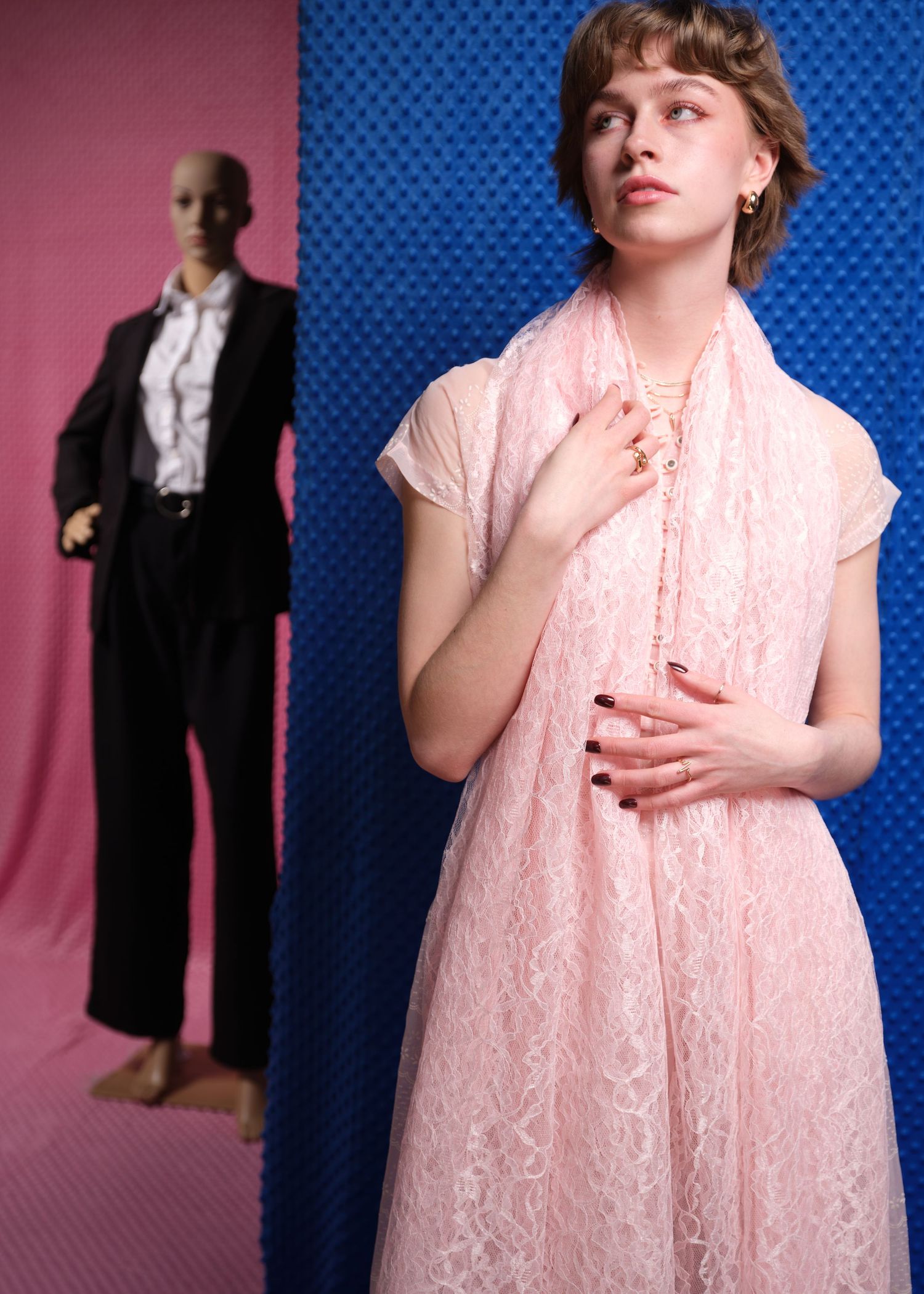
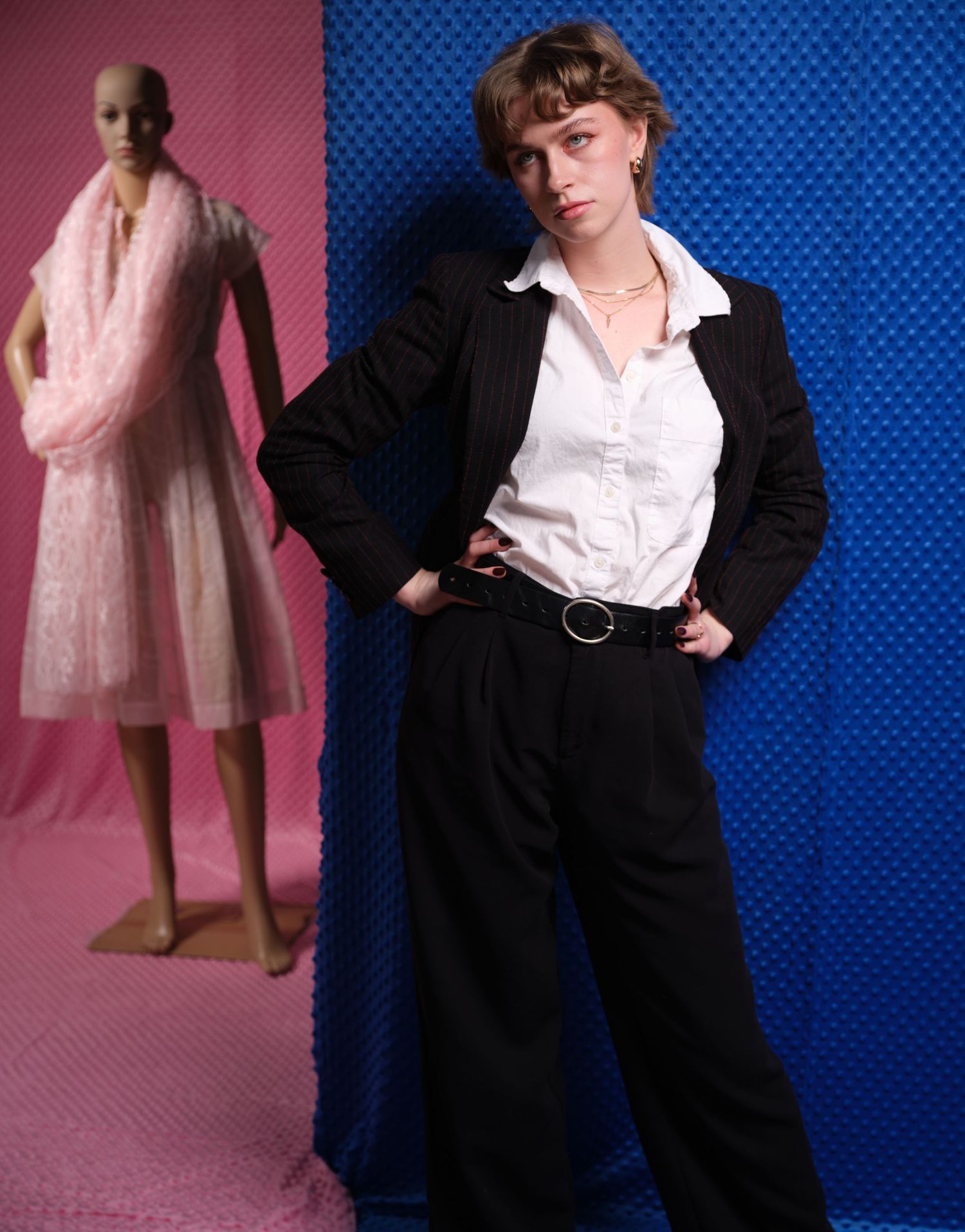
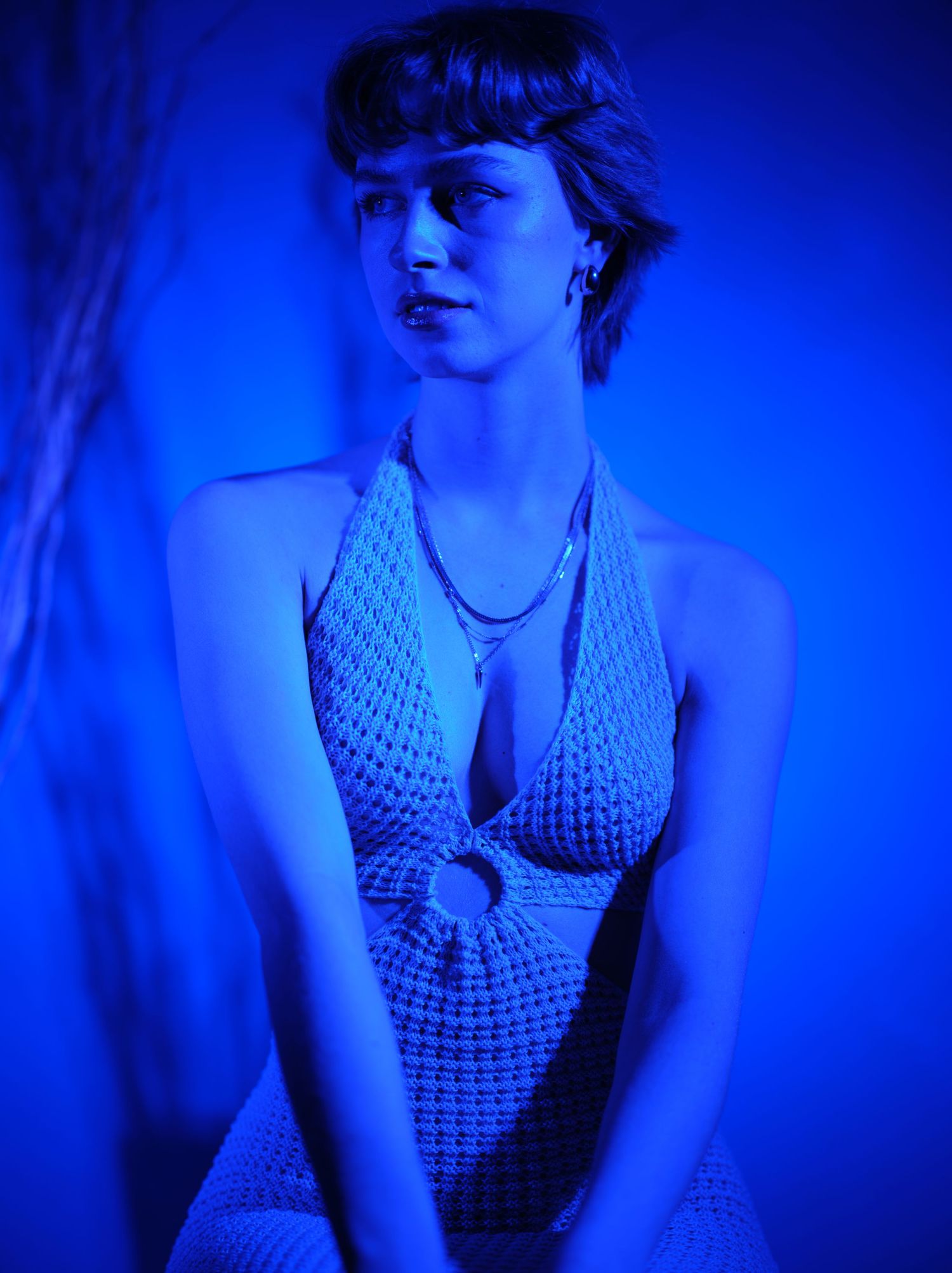
The resulting images move through several visual worlds—classic black-and-white portraits, tailored suiting, delicate lace, vibrant color, and dramatic shifts in mood and atmosphere. Together, they explore a question that feels surprisingly modern and surprisingly old at the same time:
Why do we assign gender to clothing in the first place?
Clothing is one of the most visible forms of self-expression we have, yet many of the rules surrounding what people are “supposed” to wear are far more recent—and far more arbitrary—than we often realize. Through this series, we wanted to create images that challenge assumptions, celebrate personal expression, and invite viewers to look beyond labels.
Clothing and Gender: A Surprisingly Recent Connection
Many people assume that clothing has always been divided into “men’s clothes” and “women’s clothes.” History tells a different story.
For much of human history, clothing distinctions were often tied more closely to class, profession, wealth, or social status than to gender. Throughout different cultures and eras, garments that would seem unusual to modern eyes were completely normal. Robes, tunics, skirts, and elaborate decorative clothing were worn by people of all genders.
Even color associations have shifted dramatically over time. In the early twentieth century, pink was frequently recommended for boys because it was viewed as a stronger, more assertive variation of red, while blue was often associated with girls because of its softer, gentler appearance.
What we think of as traditional gendered fashion is far less permanent—and far more culturally constructed—than many people realize.
Women Wearing Pants Was Once Controversial
One of the most striking examples of how arbitrary clothing rules can be is the history of women wearing pants in the United States.
Today it is difficult to imagine anyone objecting to a woman wearing trousers to school, work, or a public event. Yet during the 1960s and 1970s, many schools, workplaces, and public institutions still prohibited women from wearing pants.
As the women’s rights movement gained momentum, clothing became one of many visible battlegrounds for equality. Women challenged dress codes that required skirts and dresses, arguing that clothing should not determine opportunity, professionalism, or social acceptance.
The resistance they encountered serves as a reminder that many of the “rules” surrounding clothing are not timeless truths. They are social conventions that change as society changes.
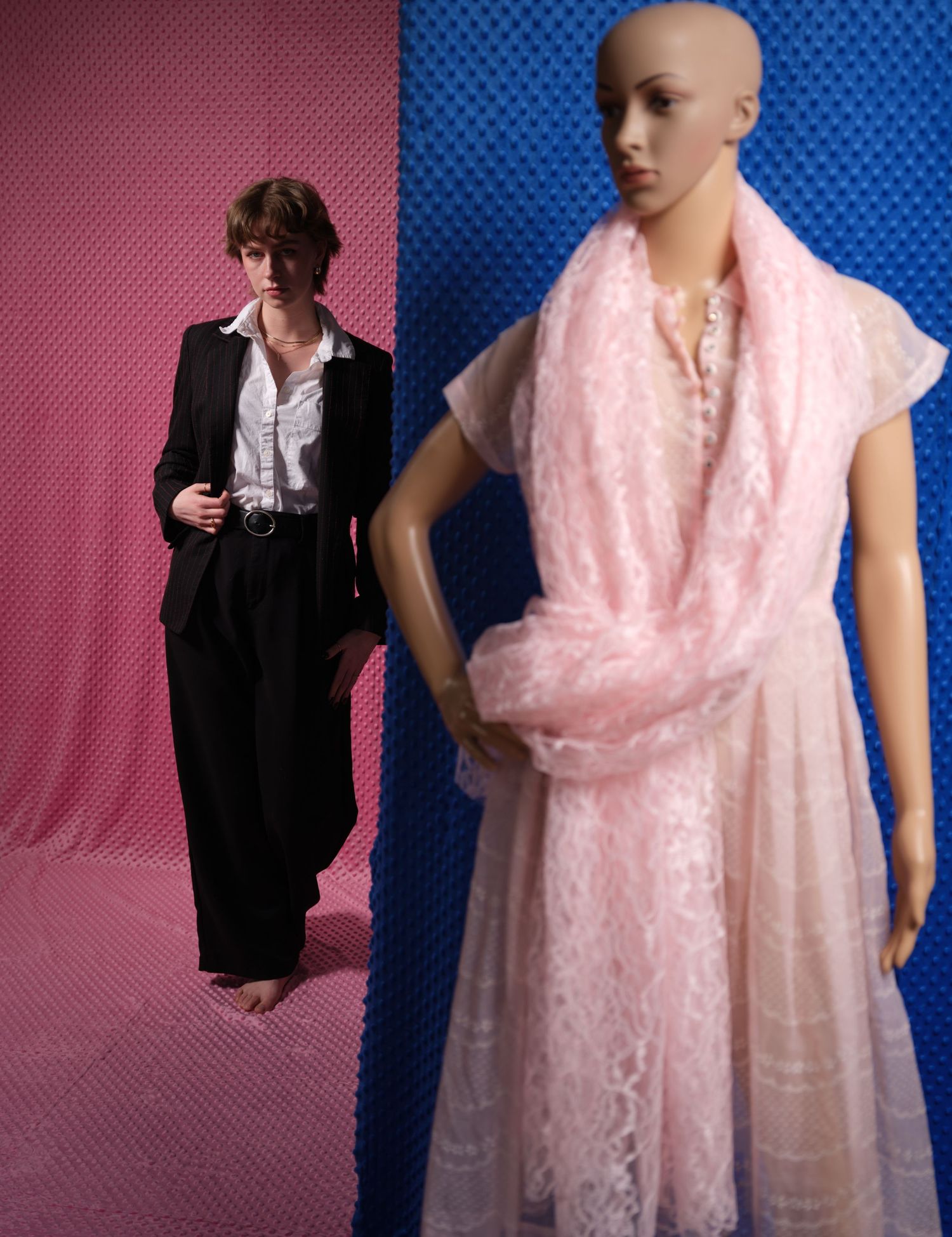
Clothing as Personal Expression
At its core, clothing is simply a form of communication.
Some people use clothing to affirm their gender identity. Others use fashion to challenge expectations, explore different aspects of themselves, or simply wear what feels comfortable and authentic.
A tailored suit can communicate confidence, structure, and authority.
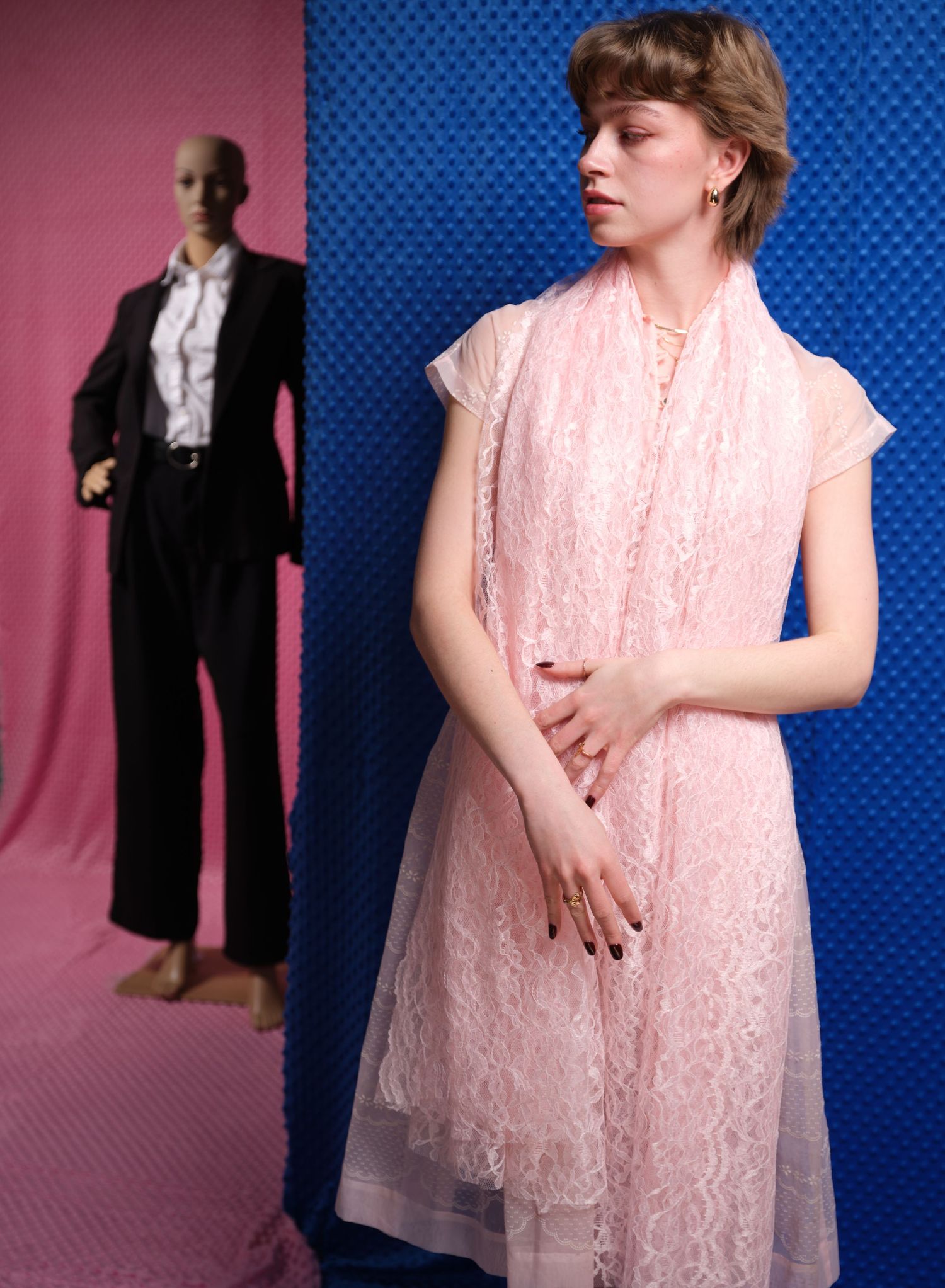
A lace dress can communicate softness, elegance, and vulnerability.
Neither garment possesses those qualities on its own.
The person wearing them creates the meaning.
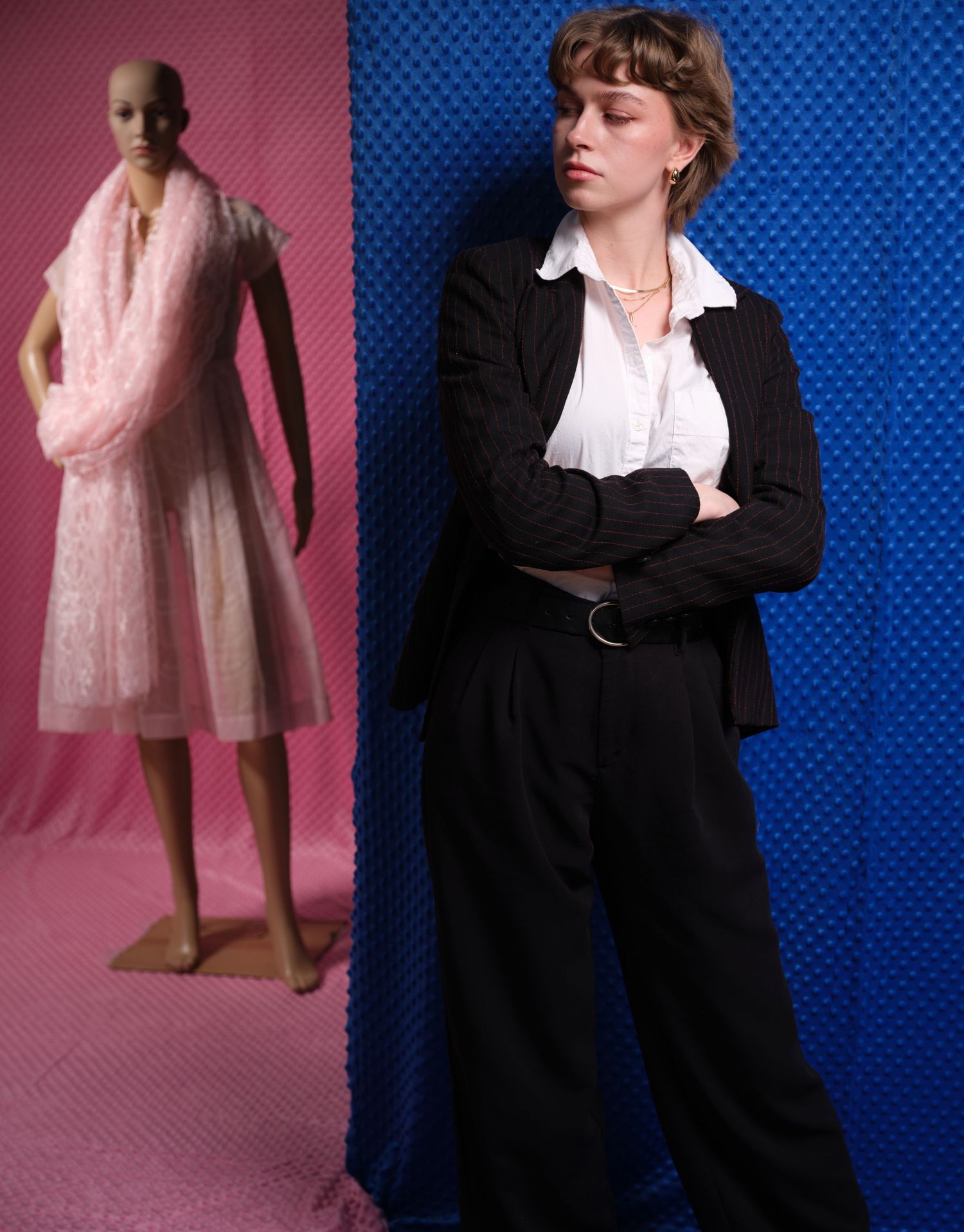
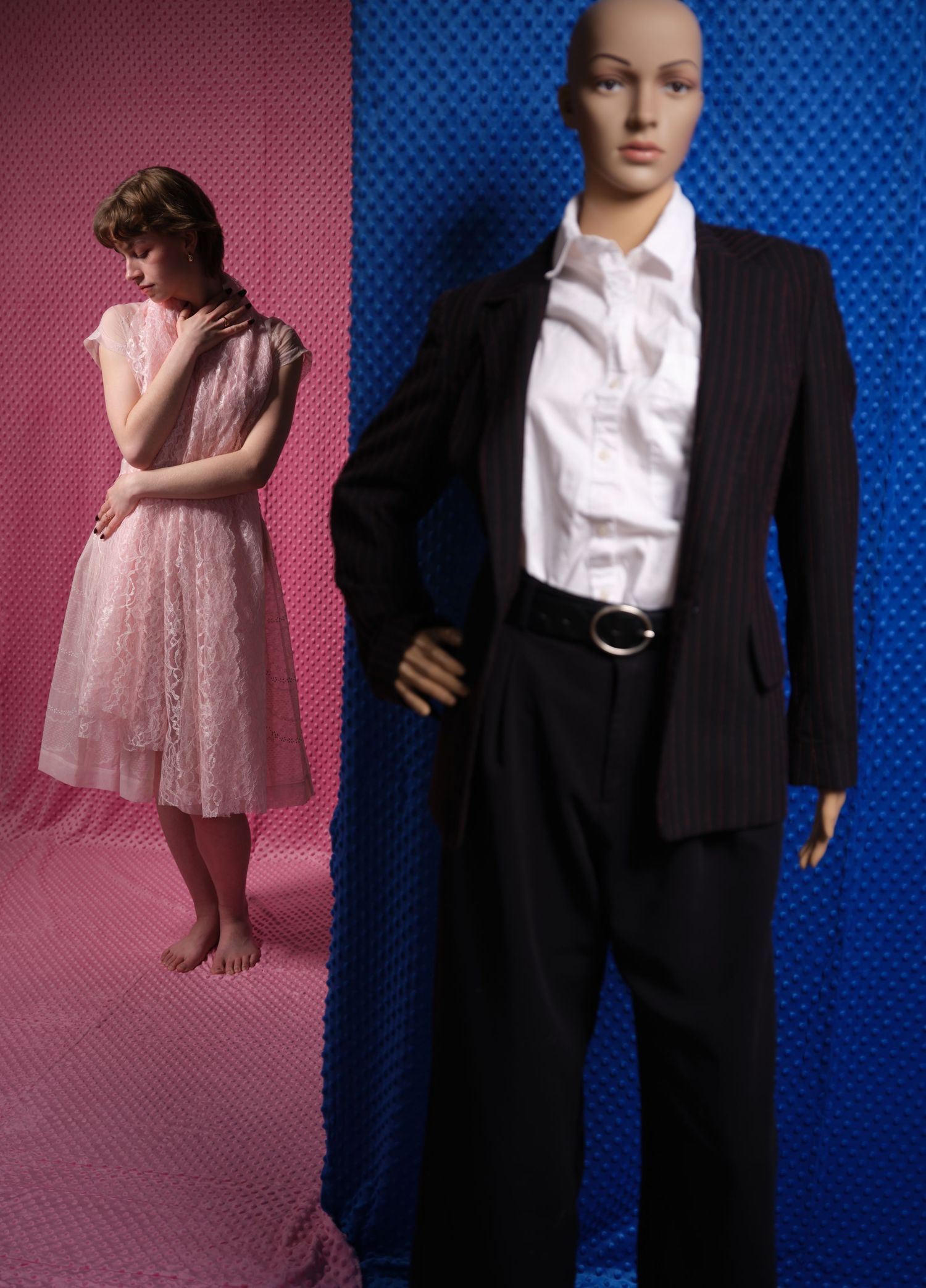
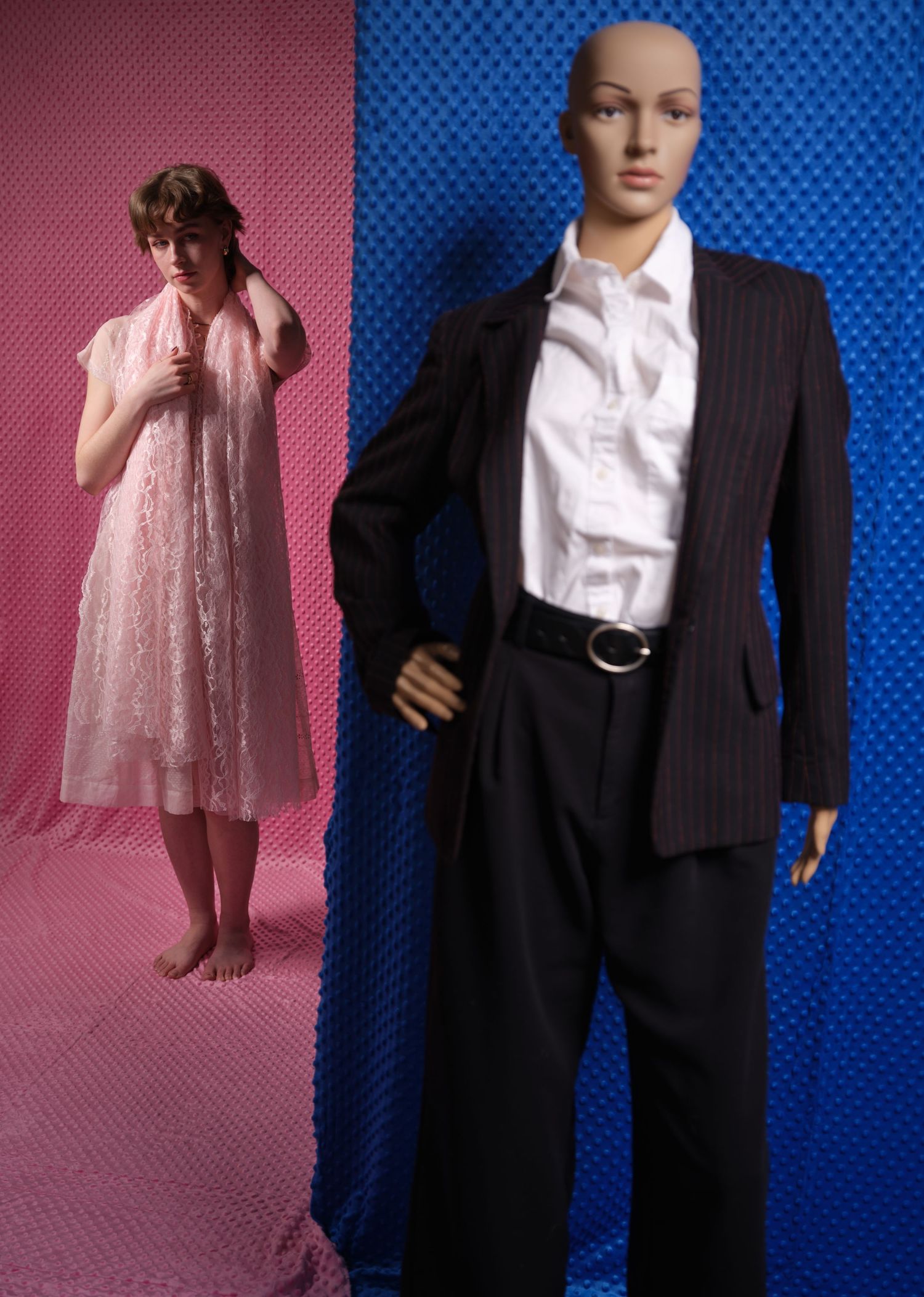
That idea became central to this portrait session. By presenting contrasting styles and visual identities throughout the series, the images invite viewers to question assumptions about what belongs to whom—and why.
Beyond Dress Codes and Labels
Because clothing has no inherent gender, rigid dress codes often create unnecessary limitations.
Historically, gender-based clothing requirements have disproportionately affected women. More recently, they have also become a challenge for non-binary individuals and anyone whose personal style exists outside traditional expectations.
As attitudes continue to evolve, many schools, workplaces, and institutions have begun moving toward more flexible standards focused on professionalism, safety, and practicality rather than gender-specific rules.
The question becomes less about what someone is “supposed” to wear and more about whether they are able to present themselves honestly and comfortably.
Portraiture offers a unique opportunity to explore those ideas visually.
Creative Portraits as Conversation
One of the things I enjoy most about creative portrait photography is that it can start conversations rather than provide answers.
This series isn’t intended to tell viewers what they should think.
Instead, it asks them to reconsider assumptions they may not have realized they were making.
The suit and the dress.
The blue and the pink.
The structure and the softness.
The expectations and the realities.
None of these elements belong exclusively to any gender. They are simply visual tools used to tell a story.
And like all good stories, different viewers may take away different meanings.
Thank You, Abigail
Creative projects only succeed when the people in front of the camera are willing to trust the process and contribute their own ideas, energy, and perspective.
A special thank you to Abigail for helping bring this concept to life. Their willingness to collaborate, experiment, and explore the theme made these images possible. This set truly could not have been created without them.