One of the questions we hear most often is, “How many outfits should I bring?”
The answer usually surprises people.
It isn’t unusual for someone to arrive with five or six outfits (or a couple of rolling suitcases, or nothing at all and make use of our large vintage clothing collection!) and leave with photographs that feel like they were taken over several different days. A single white shirt becomes an editorial fashion portrait. A vintage dress evokes the elegance of a mid-century magazine spread. A simple black crop top and metallic skirt transform into dramatic monochrome studies focused entirely on light and shadow. Add a vintage ladder, flowing fabrics, a brightly colored chair, or a carefully chosen backdrop, and suddenly each look becomes an entirely new visual story.
Creative portrait photography isn’t about filling a closet with clothing.
It’s about discovering how many different versions of yourself can emerge when styling, lighting, posing, and imagination all work together.
This session is one of my favorite examples of exactly that.

Vintage Inspiration
Vintage clothing has a wonderful ability to influence not only how someone looks, but how they carry themselves. The moment someone steps into a garment inspired by another era, posture changes. Expressions soften. Movement becomes more deliberate.
The colorful paisley dress used during this session became an anchor for several photographs. Long velvet gloves added elegance without becoming distracting, while the warm gold background provided enough separation to let the vivid colors stand on their own.
Rather than recreating a specific decade, we borrowed ideas from classic fashion photography and allowed them to evolve into something contemporary.

The bold paisley pattern paired with velvet gloves creates an immediate vintage-inspired feeling while the confident pose keeps the portrait modern.

Changing only the pose completely changes the personality of the image. Looking away from the camera creates a quieter, more reflective portrait while allowing the sculptural lines of the dress to become the focus.

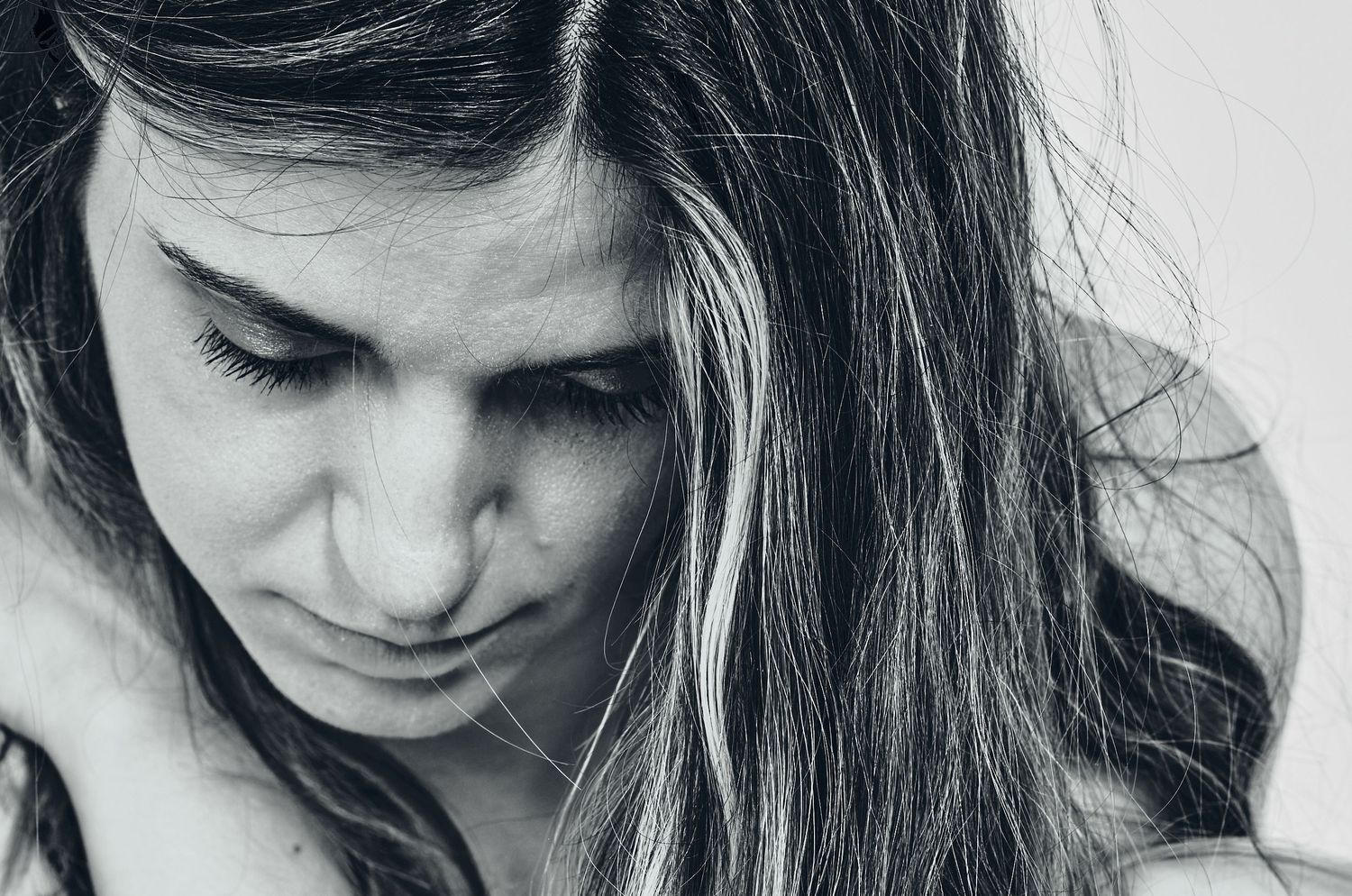
Converting one of the paisley portraits to black and white demonstrates how removing color shifts attention toward expression, texture, and light instead of pattern.
Editorial Simplicity
One of the biggest misconceptions about portrait photography is that elaborate clothing creates stronger images.
Often the opposite is true.
Simple wardrobe pieces become incredibly versatile because they allow lighting, composition, and expression to carry the photograph. An oversized white shirt, leather skirt, bright sunglasses, and carefully selected accessories produced an entire collection of editorial-inspired portraits without relying on complicated styling.
These photographs feel clean, contemporary, and timeless at the same time.

The oversized white shirt and leather skirt create a confident fashion-inspired portrait that could easily belong on the pages of a contemporary magazine.

A vivid lime-green dress introduces a completely different energy. The bright color contrasts beautifully against the cool blue background while maintaining a minimalist composition.

The orange polka-dot outfit demonstrates how bold color and playful styling can still create sophisticated portraits when paired with clean posing and careful lighting.

A black turtleneck, leather trousers, strands of pearls, and flowing red fabric create a dramatic editorial portrait with a subtle nod toward classic high-fashion photography.
Light, Fabric, and Movement
Sometimes the smallest addition changes an entire photograph.
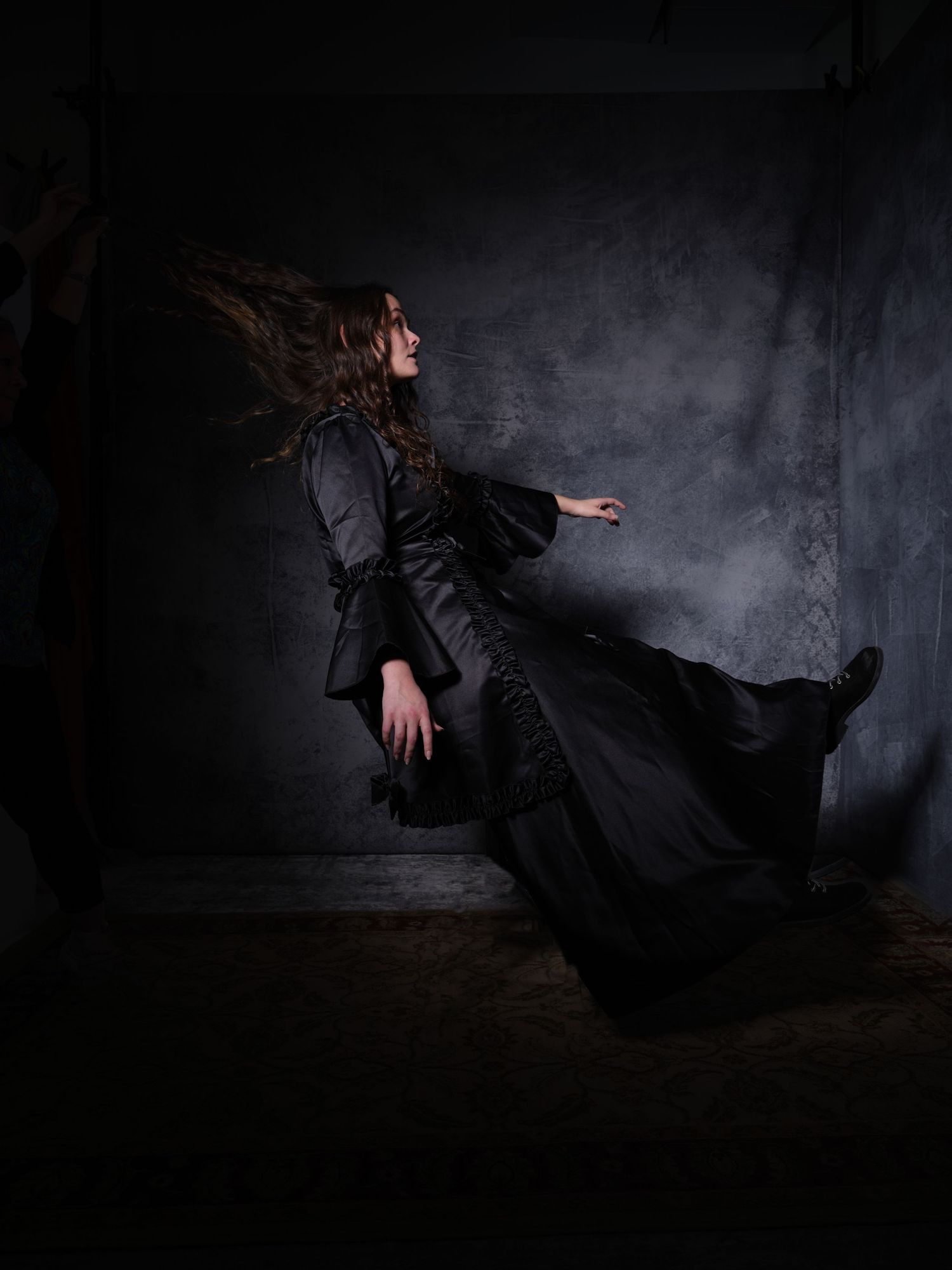
Throughout this session we experimented with sheer materials, reflective surfaces, flowing fabric, and movement. These elements aren’t props for the sake of having props—they become compositional tools that help guide the viewer’s eye through the frame.
The translucent fabric drifting across the foreground softens the image while adding depth without obscuring the subject.

A patterned dress paired with shimmering sheer fabric introduces motion and atmosphere while maintaining the focus on expression.
The Power of Monochrome
Black and white photography removes distractions.
Without color competing for attention, our eyes naturally begin exploring shape, texture, gesture, and expression. Every highlight becomes more important. Every shadow becomes more intentional.
For these portraits, we introduced a vintage wooden ladder—not as a prop to pose on, but as a geometric element that helps organize the composition. It adds visual structure while remaining secondary to the subject herself.
The lighting became more directional, shadows grew deeper, and the resulting images feel quieter and more introspective than their colorful counterparts.

The full-length composition establishes the monochrome series, using the ladder to frame rather than dominate the portrait.

Closing the eyes shifts attention away from expression and toward shape, gesture, and light.

A close portrait resting against the ladder emphasizes texture and subtle facial expression while allowing the lighting to sculpt the face.

A slightly different angle and direct gaze create one of the strongest portraits in the monochrome sequence.

Returning briefly to color reveals how dramatically mood changes without altering wardrobe. Warm skin tones and cool backgrounds produce an entirely different emotional response.

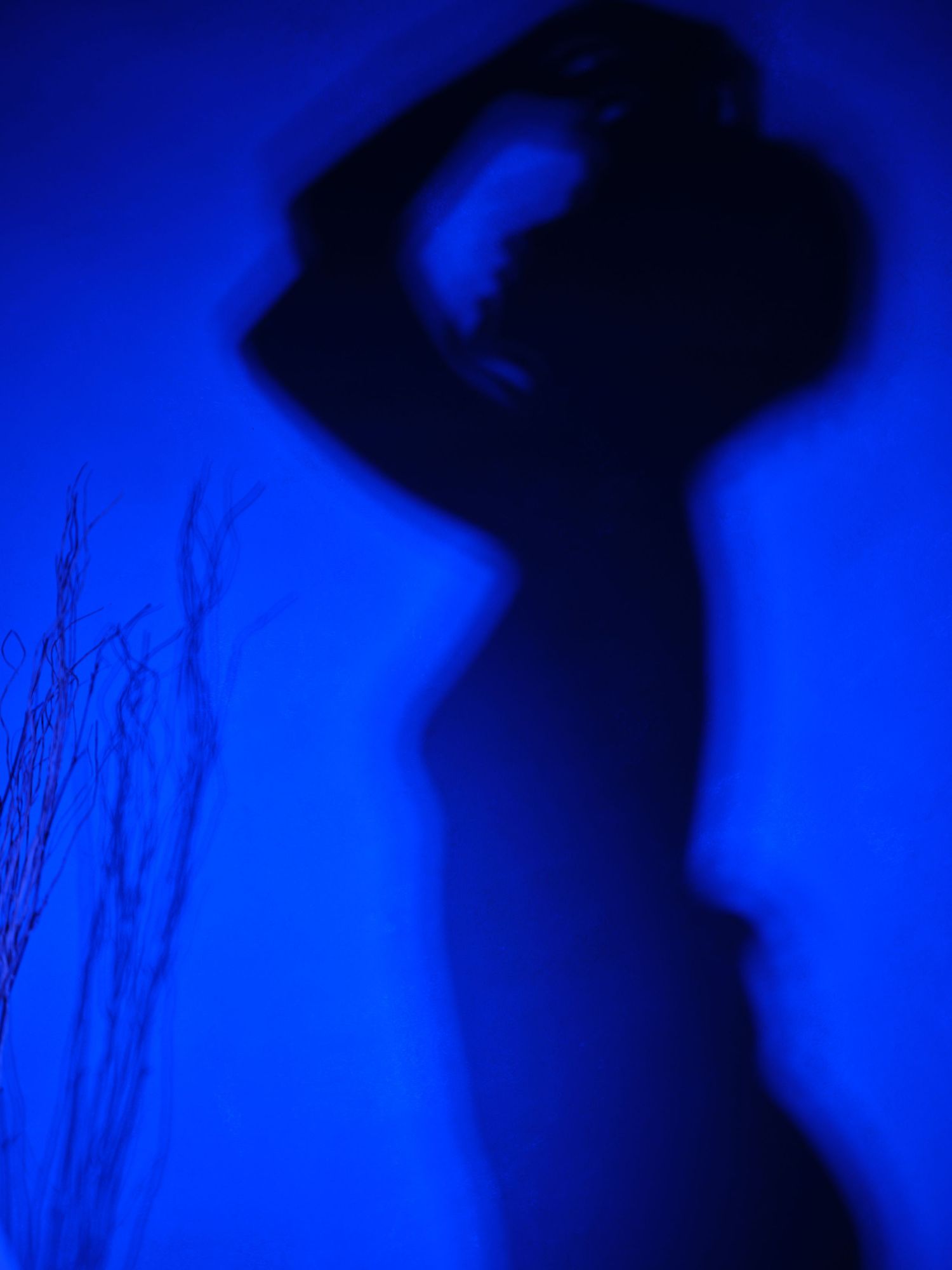
Simple movement becomes expressive when stripped of distraction. Arms raised overhead create long, elegant lines while the dramatic lighting preserves a quiet intimacy.

A graceful side profile introduces even more negative space, allowing the pose itself to become the subject.

The final image concludes the series with a dance-inspired gesture that feels natural, relaxed, and beautifully understated.
Lighting Every Person Thoughtfully
One aspect of portrait photography that often goes unnoticed is how much attention goes into lighting each individual subject.
Every face reflects light differently. Skin tone, hair texture, wardrobe, and background all influence how light behaves within the frame. Rather than relying on a single lighting setup for every client, each session evolves through careful adjustments that complement the individual standing in front of the camera.
This approach isn’t about following formulas—it’s about observing. Small refinements in light placement, modifier choice, exposure, or background can dramatically change the feeling of a portrait while ensuring every person is photographed with care and intention.
Good lighting isn’t something viewers consciously notice.
They simply feel that the portrait looks natural, dimensional, and authentic.
Creativity Isn’t Planned—It’s Discovered
Although every session begins with ideas, very few end exactly as imagined.
One outfit inspires another. A different backdrop suggests a new direction. A simple prop changes the mood. A subtle adjustment in lighting reveals an entirely new character hiding within the same person.
By the end of the afternoon, these photographs no longer feel like they belong to a single portrait session. Instead, they resemble pages pulled from several editorial collections—each with its own personality, yet connected by one creative collaboration.
That’s one of the things I enjoy most about creative portrait photography.
It isn’t about becoming someone else.
It’s about discovering how many sides of yourself have been waiting to step in front of the camera.