How vintage-inspired styling, dramatic lighting, and sepia toning come together to create portraits that feel timeless.
The first thing many people notice about a sepia photograph is its warmth.
Long before digital editing software offered endless possibilities for color grading, sepia served a practical purpose in photography. Early photographic prints were often treated with sepia toning to increase their longevity. The process helped preserve images and reduce deterioration over time. As decades passed, many of the photographs that survived in family albums, archives, and treasured keepsakes carried those distinctive brown tones.
Eventually, sepia became associated with something larger than the chemical process itself. It became connected to memory, history, and permanence.
Today, photographers no longer need sepia for preservation. We use it because of what it communicates.
A sepia-toned portrait immediately feels different from a color image. The warmth softens the photograph. Distractions disappear. Attention shifts away from the colors of clothing or makeup and toward expression, texture, shape, and light. The result often feels more intimate, more reflective, and more enduring.
That quality made sepia the perfect choice for this creative portrait session.

The session began not with a camera, but with a conversation.
One of the advantages of maintaining a collection of vintage-inspired wardrobe pieces and accessories in the studio is the ability to build a session around a mood rather than a specific outfit. Instead of asking, “What should I wear?” we can ask, “What story should these portraits tell?”
For this session, we were drawn toward elegance, classic glamour, and a sense of timeless sophistication.
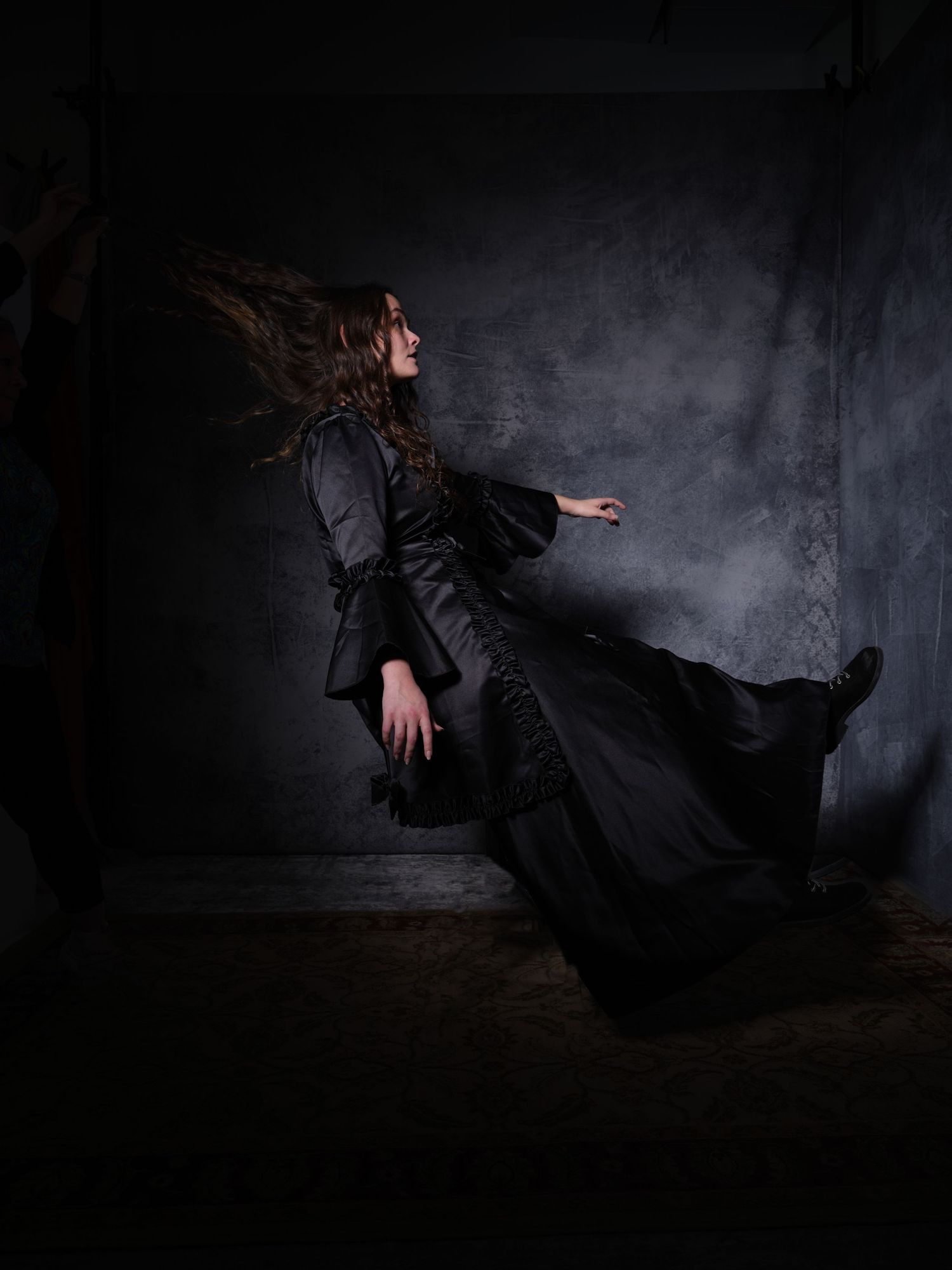
The flowing black dress became an anchor for the session. Its movement transformed a simple pose into something far more dynamic. As the fabric moved through the frame, it created shapes and lines that naturally guided the viewer’s eye.
Photography often freezes a fraction of a second, but movement helps create the illusion that the image extends beyond that single moment.
The sweeping dress does exactly that.

Props can serve a similar purpose.
A flower is never just a flower in a portrait. A hat is never simply a hat.
Every object introduced into a frame contributes to the story being told.
The lilies used in several of these portraits introduced a softness and delicacy that contrasted beautifully with the darker wardrobe choices. The vintage hat added character and atmosphere. Together, they suggested a portrait from another era while still feeling entirely contemporary.
The goal was never to recreate a specific decade.
Instead, we wanted to borrow visual elements from historic portraiture while allowing the subject’s personality to remain firmly in the present.
That balance is often where the most interesting portraits emerge.

One of the most fascinating aspects of glamour portraiture is how dramatically a photograph can change with a subtle shift in expression.
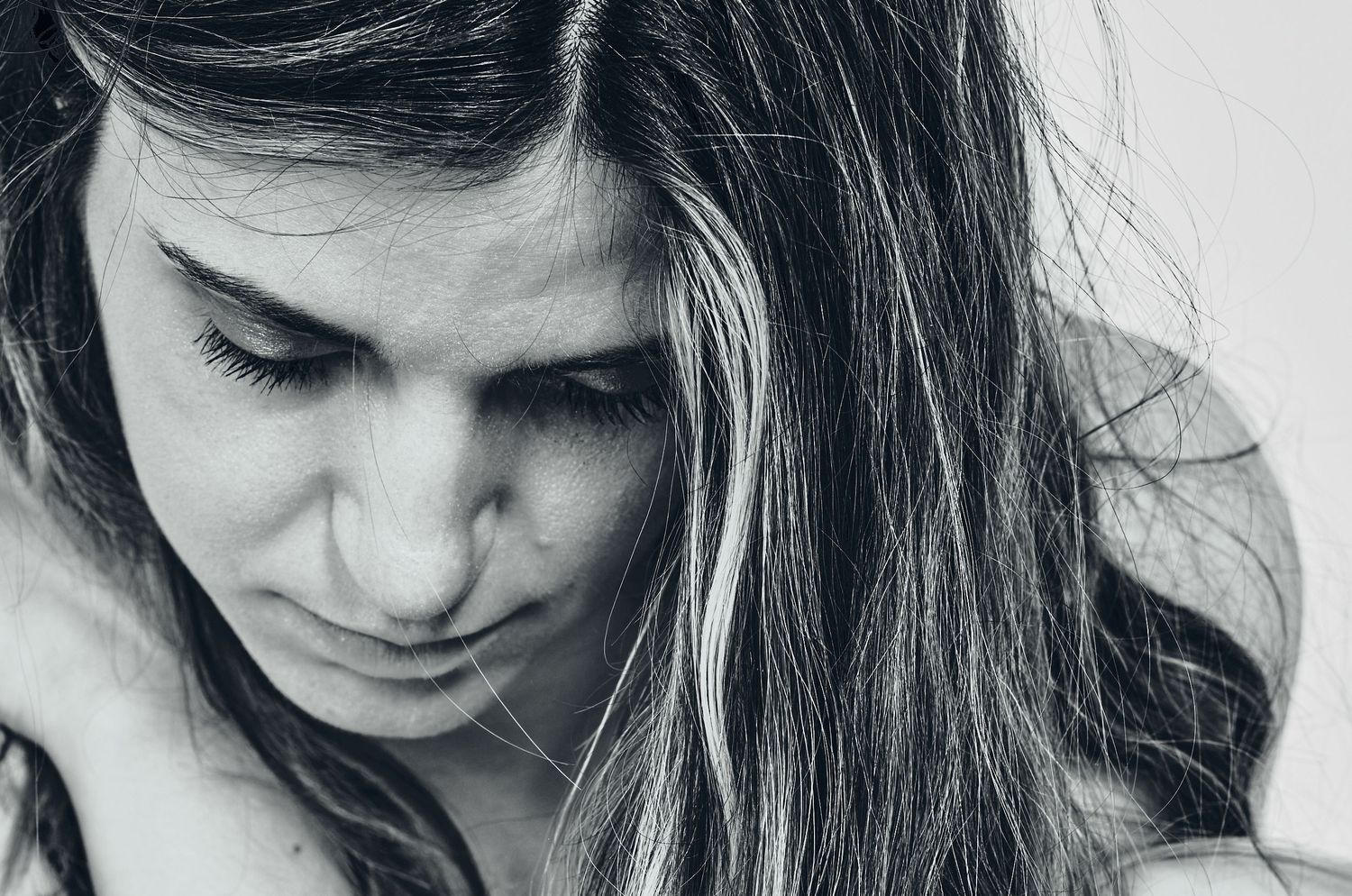
In one frame, the subject looks downward, creating a contemplative and private moment.
In the next, direct eye contact transforms the image completely.
The viewer is no longer observing a moment. They are participating in it.
This transition happens throughout the session. Some portraits feel introspective and quiet. Others project confidence and strength. Neither approach is more correct than the other. Both reveal different facets of the same person.
Portrait photography is rarely about creating a single version of someone.
It is about revealing the many versions that already exist.

Lighting plays a significant role in making that possible.
Modern cameras can capture extraordinary amounts of detail, but detail alone does not create mood.
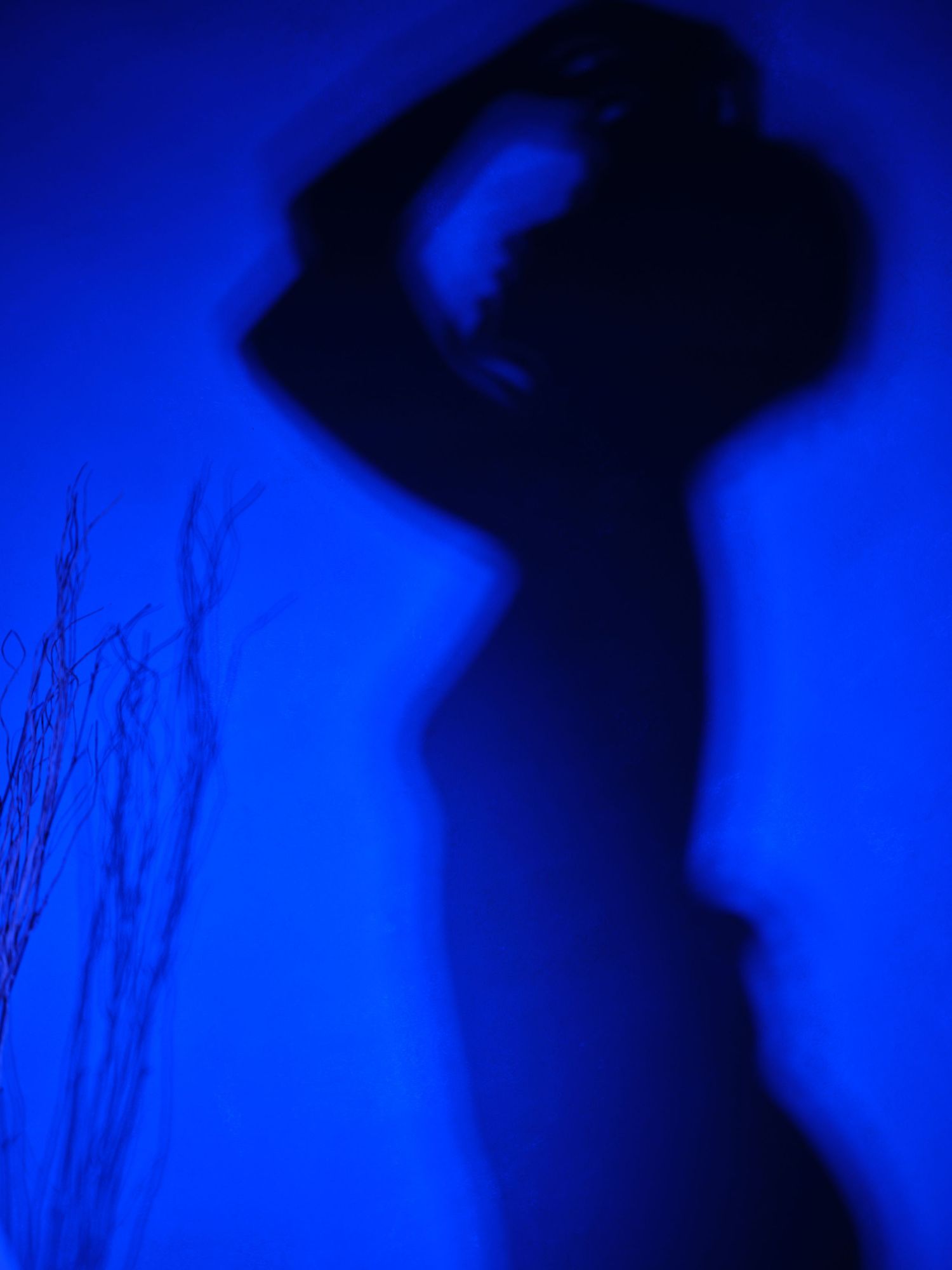
Shadow creates mood.
Throughout much of photographic history, portrait artists embraced shadow rather than avoiding it. Early Hollywood glamour photography often relied on carefully controlled lighting that sculpted the face and emphasized dimension. Rather than illuminating everything evenly, photographers used light selectively.
The same philosophy guided this session.
Deep shadows were allowed to exist. Highlights were carefully placed. The goal was not maximum visibility but maximum impact.
When portions of an image fall into shadow, the viewer becomes curious. The eye naturally explores the photograph, filling in details and discovering textures that might otherwise be overlooked.
The result is often more engaging than showing everything at once.

Close-up portraits particularly benefit from this approach.
Without bright colors competing for attention, subtle details become more important.
The curve of a cheekbone.
The texture of hair.
The direction of a gaze.
The shape of light across the face.
Sepia works beautifully in these situations because it maintains warmth while simplifying the visual palette. Unlike pure black and white, which can sometimes feel stark or graphic, sepia introduces a softness that complements skin tones and creates a sense of depth.
It invites viewers to spend more time with the image.

Many people associate glamour photography with elaborate wardrobes or dramatic makeup.
While those elements can certainly contribute, glamour photography is often more dependent on intention than appearance.
A simple pose can become powerful when paired with the right expression.
A plain backdrop can become dramatic when paired with carefully controlled light.
A minimal wardrobe can become elegant when paired with thoughtful styling and composition.
The camera records what is present, but the photographer’s job is to decide what deserves emphasis.
Every decision matters.
The angle of the camera.
The direction of the light.
The placement of a hand.
The position of a shoulder.
The way fabric falls across the frame.
Each choice contributes to the final image.

This is one reason creative portrait sessions are so collaborative.
The best images rarely emerge from a rigid plan.
Instead, they evolve.
An accessory inspires a new pose.
A shadow suggests a different lighting angle.
A particular expression leads to an entirely new series of images.
The process is part experimentation and part discovery.
Often the photographs that become favorites were not anticipated when the session began.
They emerged because everyone involved remained open to exploring new ideas.

By the end of the session, the photographs had moved through multiple moods and visual styles, yet they remained connected by a common thread.
Warmth.
Not merely the warmth of sepia toning, but the warmth of expression, collaboration, and human connection.
That may be one reason sepia continues to resonate more than a century after photographers first embraced it.
The tones themselves are beautiful, but they also remind us of something fundamental about portrait photography.
The most memorable portraits are rarely defined by trends.
They endure because they capture something authentic.
A glance.
A feeling.
A moment of confidence.
A sense of mystery.
A glimpse of personality.
The technology of photography has changed dramatically over the years, but those qualities remain timeless.
And sometimes, a touch of sepia helps us see them a little more clearly.